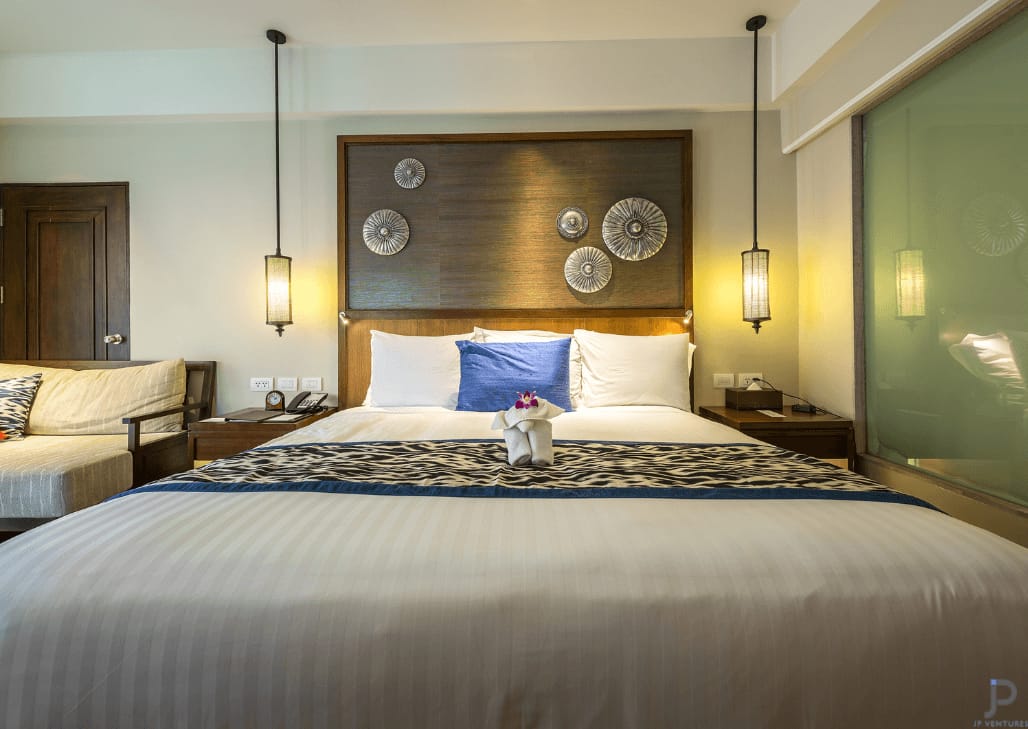
The architectural design of a home is a reflection of the homeowner’s personality, preferences, and lifestyle. It influences not only how they look from the outside but also how they feel from the inside and how functional they are. We’ll go further into the home architectural designs—the traditional, the contemporary, and the transitional—in this blog. By understanding their distinguishing characteristics, aesthetics, and the unique appeal they offer to homeowners, you will be able to visualize the architectural identity that best suits your ideal home.
Traditional Architecture
Historic periods, cultural influences, and local aesthetics all contribute to the diverse range of styles that make up traditional architecture. Traditional residences, from the graceful grandeur of Victorin mansions to the colonial charm of New England cottages, radiate a feeling of ageless beauty and legacy. These houses typically have traditional features like columns, pediments, and balustrades, as well as symmetrical facades, pitched roofs with dormer windows, and elaborate workmanship. With a focus on employing premium materials like brick, stone, and wood to create enduring beauty and character, traditional architecture places a high value on craftsmanship and attention to detail.
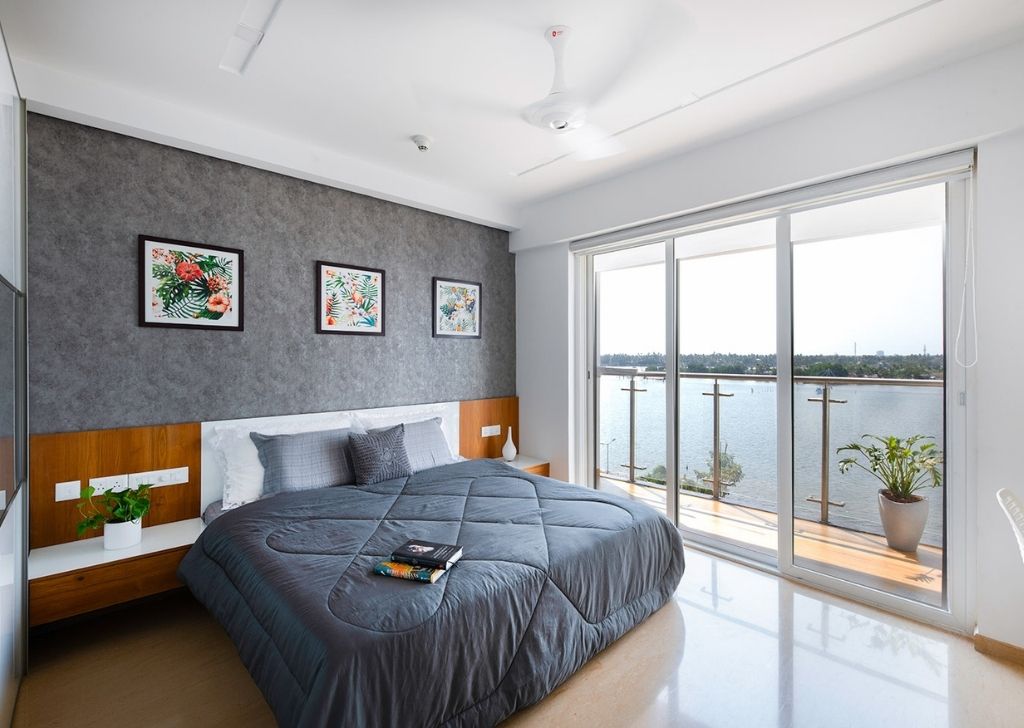
Contemporary Architecture
Contemporary architecture embraces modernism, invention, and minimalism and deviates greatly from historical precedents in contrast to conventional forms. Modern homes are defined by their open floor plans that put an emphasis on functionality and simplicity, as well as their smooth, streamlined designs and clean lines. Modern architecture is often characterized by large windows, flat or low-pitched roofs, and asymmetrical facades that facilitate a smooth transition between indoor and outdoor areas and an abundance of natural light. Modern homes often reflect the attitude of the times by using materials like steel, glass, and concrete to create an industrial chic and sophisticated feel.
Transitional Architecture
A fascinating combination of modern and traditional design elements can be found in transitional architecture, which combines the sleek lines and contemporary conveniences of the present with the timeless elegance of the past. These residences function as a link between two worlds, fusing architectural features from many eras to produce a harmonious and adaptable living space. Traditional exterior features like a front porch, gabled dormers, and pitched roofs may be combined with contemporary interior features like open-concept floor plans, tall ceilings, and simple finishes in transitional homes. Transitional designs offer homeowners the best of both worlds, blending classic appeal with modern conveniences by creating a fine balance between tradition and modernity.
Choosing the Right Style for Your Home
Choosing an architectural style for your house is an extremely personal and reflective process that requires giving serious thought to a number of factors, such as your budget, location, lifestyle, and personal preferences. While contemporary homes appeal to people who favor sleek modern designs and minimalist aesthetics, traditional homes are preferred by those who value timeless elegance, craftsmanship, and a feeling of legacy. For homeowners looking for a healthy balance between tradition and modernity, transitional homes are a great option because they combine the conveniences of modern living with the allure of classic architecture. In the end, the architectural style you choose for your house represents your distinct goals and vision, testifying to your uniqueness and self-expression.
Exploring classic, contemporary, and transitional architecture gives a deep dive into not only aesthetics but also lifestyle, beliefs, and personal identity in your pursuit of the ideal architectural style for your house. As you embark on this transformative journey to create a living environment that truly resonates with your essence, guidance from experts can make all the difference. JP Ventures, a prominent multidisciplinary firm with the best architects in Kochi, specializes in transforming personal dreams into real architectural wonders. JP Ventures has the expertise to make your idea a reality, whether you’re inclined to the elegant simplicity of classic design, the smooth blend of modern and tradition in transitional homes, or the sleek sophistication of contemporary architecture. With JP Ventures, your dream home is closer than ever.