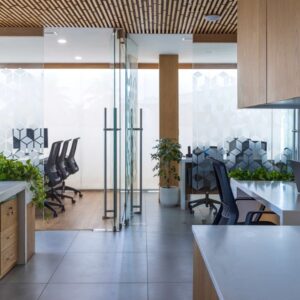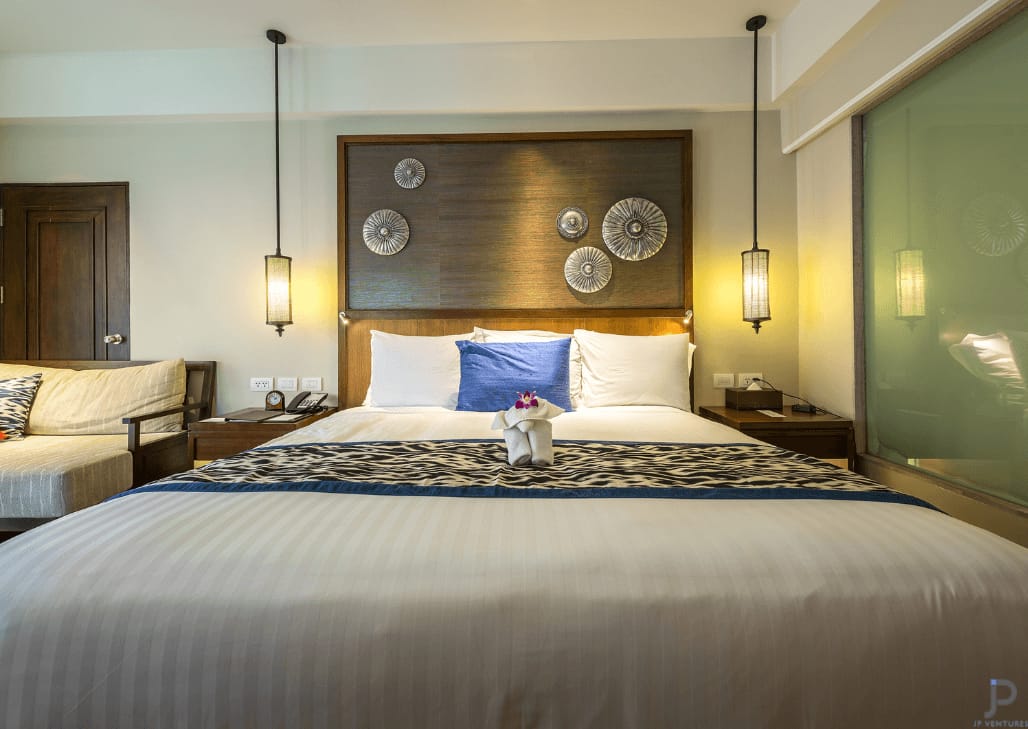
Surprisingly, how a room feels matters just as much as what happens inside it. Picture walking into a space that drains energy instead of lifting it – employees notice. Instead of sparking ideas, dull corners mute them. Light, layout, and even furniture height shift moods without anyone realizing. Clients arrive, take one look, and form opinions before a word is spoken. Imagine money lost not from bad strategy but stiff chairs and dead lighting. Performance dips quietly when walls are too close or views are nonexistent. A fresh setup doesn’t fix everything, yet ignoring it weakens every effort made elsewhere.
Inside every great workspace lies a quiet advantage. JP Ventures sees office design not merely as decoration but as a purpose-built strategy. Efficiency grows where layout meets intent. A company’s character shows clearly in its surroundings. Clients notice. So do team members. Impressions form fast – and stick.
First Impressions Count Most Now
A space where people walk in says something before they even sit down. First thoughts show up long before any paperwork appears, shaped by walls, light, and furniture. Impressions grow quietly, built by what’s seen, not spoken.
A messy desk, old furniture, or dust in corners might suggest carelessness without meaning to. Yet when an office feels intentional, people tend to believe it stands for something solid.
A fresh workspace isn’t just about looks. Clean lines shape how people feel when they walk in. Quality materials speak without words. Seating zones that welcome conversation show you value time together. Brand details woven into walls or floors remind visitors who you are. Each piece fits a bigger picture. How space flows can mirror how work happens. Appearance quietly shapes perception. What surrounds your team sends signals, too. Thoughtful choices add up even if unnoticed. The environment holds part of your message.
Poor design lowers employee productivity
Most of a worker’s time happens inside office walls. When spaces feel off – too noisy, too tight, too slow – focus slips without warning. Quiet corners help thoughts grow. Bright light wakes up tired eyes. A chair that fits keeps hips steady. Movement between tasks should flow like water, not jam at every turn. Messy desks shout for attention. Clean ones wait quietly. Time spent adjusting is time lost. Good setups fade into the background. Work steps forward instead.
Lighting that falls short often dims more than rooms – it saps energy too. Poor layout of space trips up workflow instead of supporting it. Storage left unconsidered piles pressure on daily routines. Noise that lingers turns focus into fragments. Furniture that fights the body keeps minds restless. These conditions chip away at how involved people feel at work. Stress climbs when the surroundings ignore human needs. Satisfaction dips where comfort is missing.
A space built with care helps people concentrate, work together, leave tasks faster.
Arranging things on purpose means workers reach what they require without hassle, shaping a setting where working alone thrives alongside joining forces.
Inside every JP Ventures project sits a quiet kind of order – clean lines meet practical layouts, shaping workspaces that feel both sharp and livable. A desk isn’t just built to look good; it’s placed so someone can think clearly. Light flows where focus needs room. These choices add up without calling attention. People settle in easier when clutter stays hidden, but access remains near. What looks simple took careful sorting behind the scenes. Offices become backdrops for steady progress instead of distractions.
The Connection Between How Offices Are Set Up and Workplace Culture
A space at work tells visitors what matters most. If new ideas drive the team, the layout might show it through open zones or flexible seating. Where teamwork takes center stage, shared tables and low walls often appear. A firm focused on structure may lean into clean lines and quiet areas. Creativity? That could mean bold colors or unusual furniture shapes. Each choice sends a message without words.
Work happens differently when spaces like open hubs, quiet rooms, spots to regroup, or desks that shift with needs are part of the layout. Communication grows stronger inside offices built with purpose, building bonds among teammates while moving the company forward.
Comfortable workers tend to stay alert and involved. A sense of belonging often leads to steady motivation. Staying put feels natural when the surroundings support connection. Job satisfaction grows quietly in spaces where people fit well. Retention improves without announcements or campaigns.
Client Experience Begins With Surroundings
Most people now look past basic service quality alone. Experiences matter just as much, if not more. Step inside a thoughtfully arranged workspace, and the difference shows immediately. First impressions grow stronger when surroundings feel both open and polished.
Furniture choices often speak before anyone does – seats arranged openly invite dialogue. A room that feels warm tends to ease first impressions more than expected. Thoughtful lighting plus clean layouts keep attention on the talk rather than the surroundings. When people settle into well-placed chairs, exchanges run smoother without notice. Impressions form fast, yet linger longer where design supports presence.
A workspace showing care and precision might just make visitors trust your skills a bit more. Confidence often grows when people see things handled thoughtfully. Details matter, especially when someone is watching.
Smart Office Design Helps Businesses Grow
Offices shift when companies grow. When plans stay loose, fitting in more people feels easier later on. Space that bends today helps dodge big bills tomorrow.
A fresh layout today might handle tomorrow’s bigger team without a fuss. When spaces shift easily, tech upgrades fit right in. A smart setup grows as work changes around it. Good design now means fewer expensive fixes later. Money saved piles up when walls don’t need moving every year. Long-term thinking hides inside well-arranged rooms.
Office spaces built by JP Ventures fit today’s demands while leaving room to grow tomorrow. What matters now stays covered, yet there’s space for what comes next. Flexibility becomes clear when plans shift, which they often do. Room to adapt means goals can change without walls getting in the way. Buildings shaped here respond quietly to ambition over time.
Design as a Source of Edge
Out there where business moves fast, small edges add up. Picture a workspace built smart – suddenly it pulls in customers, keeps workers feeling steady, shapes how people see the name on the door. One detail at a time, space starts speaking.
A fresh layout can shift how people move through workspaces – efficiency tends to follow. Impressions stick when clients walk into spaces that feel intentional, not thrown together. Culture grows differently when the environment supports calm instead of chaos. Profit isn’t just about numbers; it hides in these quiet upgrades too.
Conclusion
Old desks, poor layout, or a space that feels off can quietly hurt how much gets done – also, whether new clients choose you. Good office design goes beyond looking nice; it shapes how people work, grow, and feel trusted. Not every firm knows how to blend practicality with vision as we do. Our team at JP Ventures reshapes offices so they serve a purpose, spark energy, and stay useful years ahead. Companies turn to us when they need commercial interior designers in Kochi, who understand commercial spaces deeply, solve real problems, yet craft something memorable each time around.